Power cable manufacturer · China
Cable for every kilovolt. From 450 V building wire to 132 kV XLPE.
Medium- and high-voltage XLPE cables, LV power and armoured cables, overhead conductors, control and fire-resistant cables — drawn, stranded, insulated and tested in our own plant, shipped on drums to more than 40 countries.

Products
The catalogue
Six product families, each with construction data, conductor resistance and current ratings on the product page.
-
01
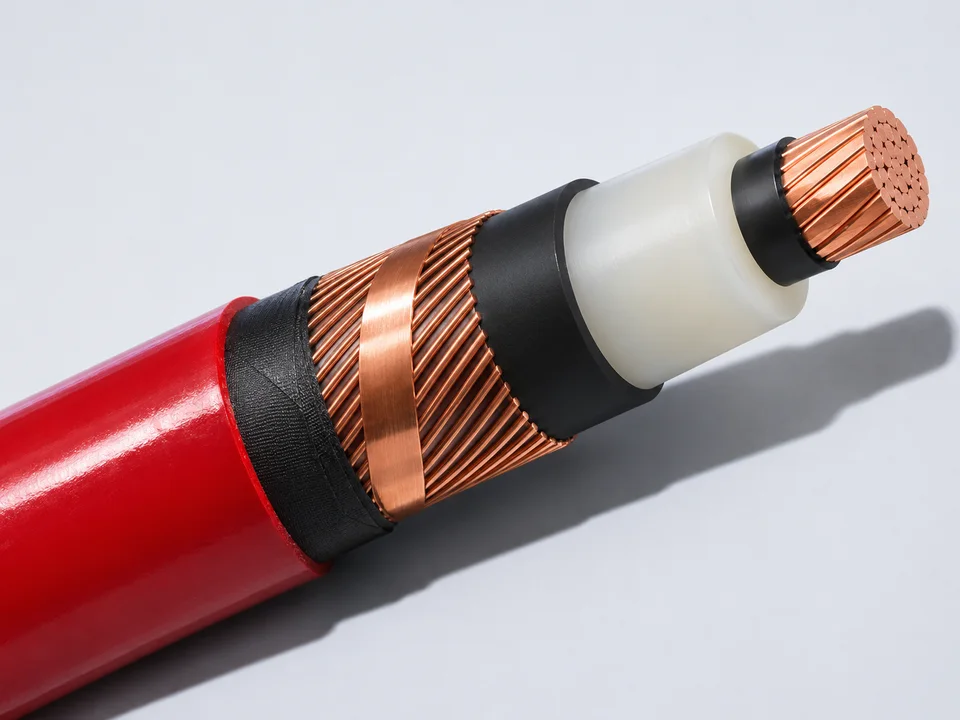 MV & HV power cablesXLPE cables from 3.6/6 kV to 76/132 kV — single-core and three-core, copper or aluminium, armoured or unarmoured.
3
-
02
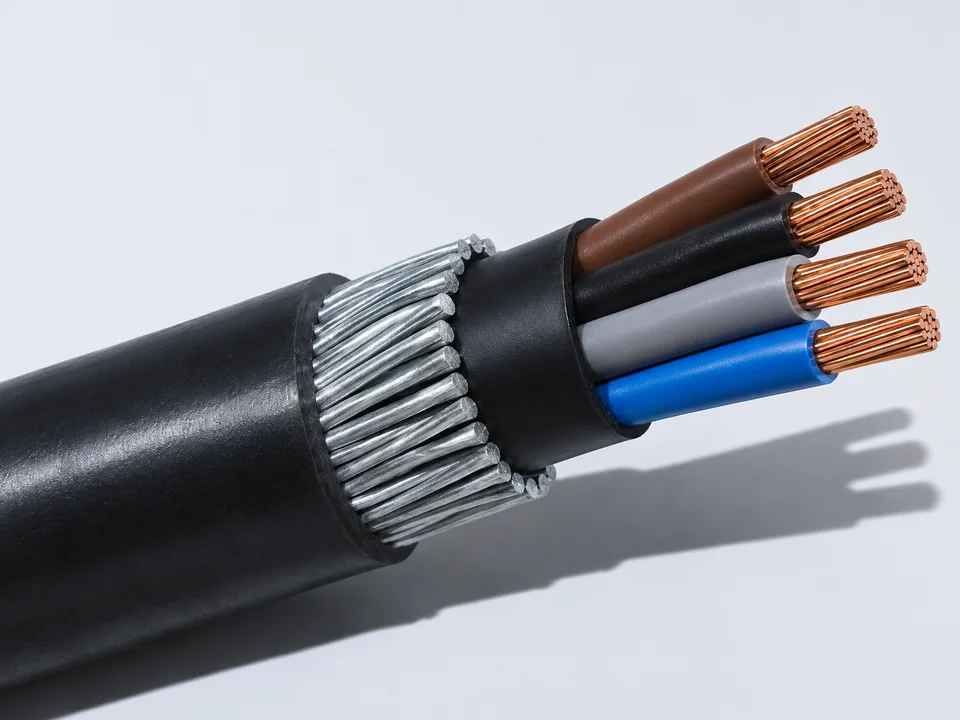 LV power cables0.6/1 kV XLPE and PVC power cables in copper and aluminium, unarmoured or SWA / STA armoured, 1.5 – 630 mm².
3
-
03
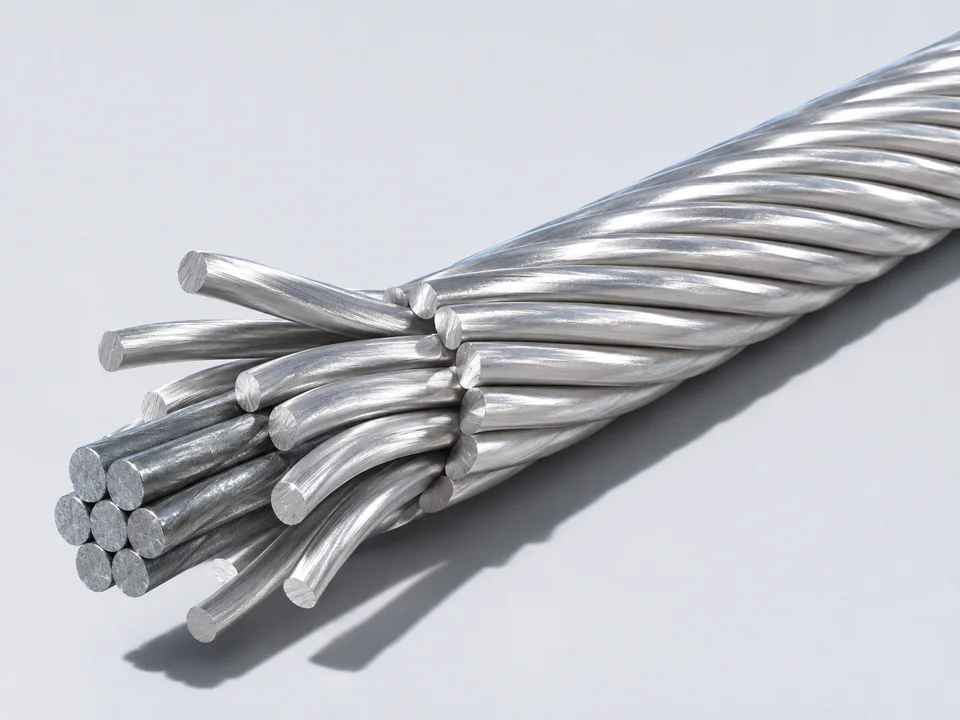 Overhead conductorsACSR and AAAC bare conductors and aerial bundled cables for transmission and distribution lines.
3
-
04
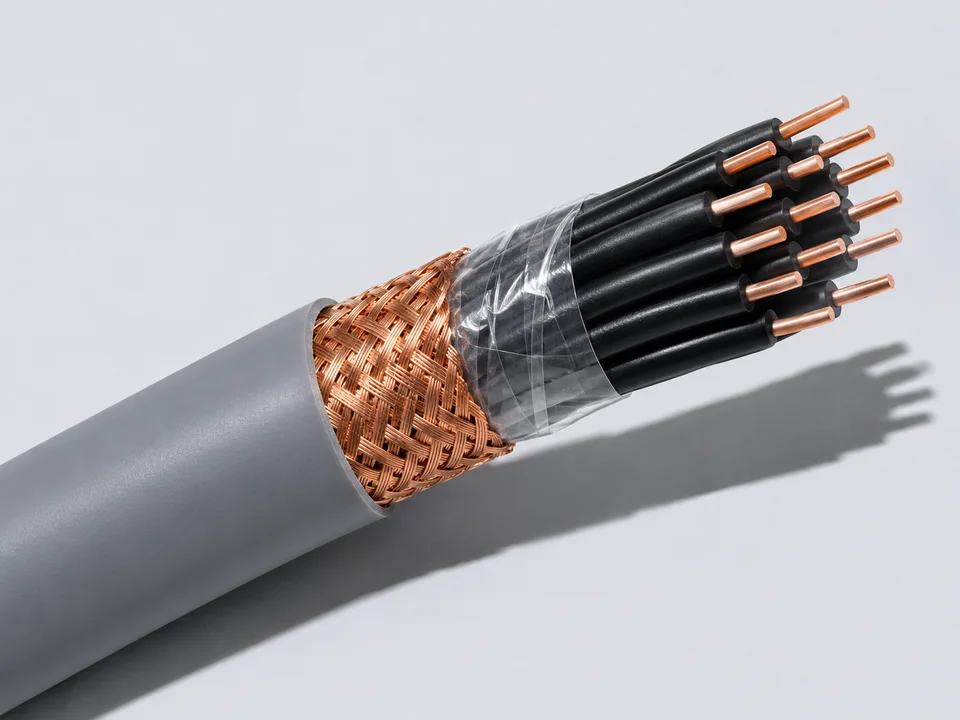 Control & instrumentationScreened multicore control cables and BS 5308 / EN 50288 instrumentation cables for plants and substations.
2
-
05
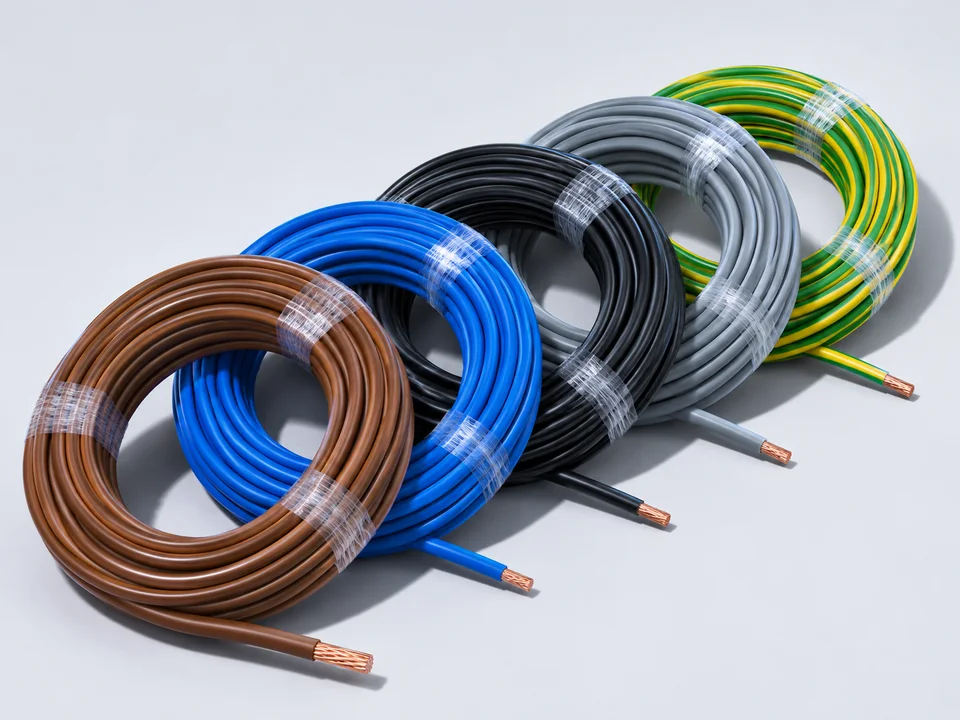 Building wires & flexible cablesH07V-U/R/K and THHN building wire and H07RN-F rubber cables for buildings, sites and machines.
3
-
06
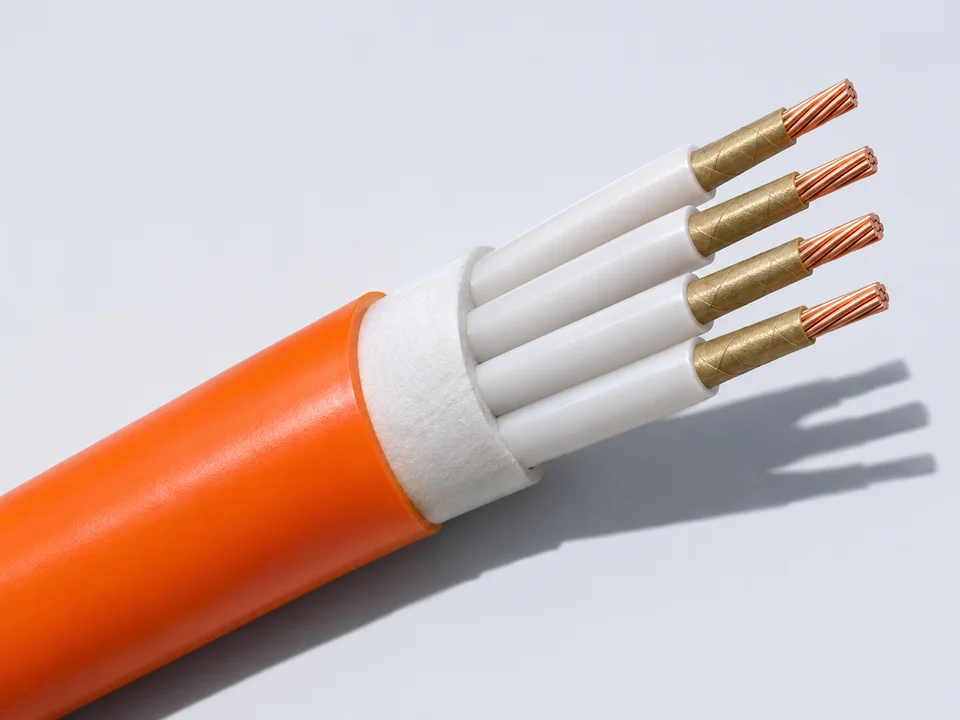 Fire-resistant & LSZH cablesCircuit-integrity cables to IEC 60331 / BS 6387 and halogen-free low-smoke power cables for public buildings and tunnels.
2
Calculator
What size cable does your load need?
Load, voltage, length and installation method in — standard cross-section, current and voltage drop out. Indicative, then confirmed by our engineers.
Recommended size
—mm²
- Design current
- —
- Rated capacity
- —
- Voltage drop
- —
Suggested cables
Indicative: XLPE multicore cable to IEC 60364-5-52, single circuit, no grouping factor. Final sizing (grouping, short-circuit, protection) is confirmed by our engineers.
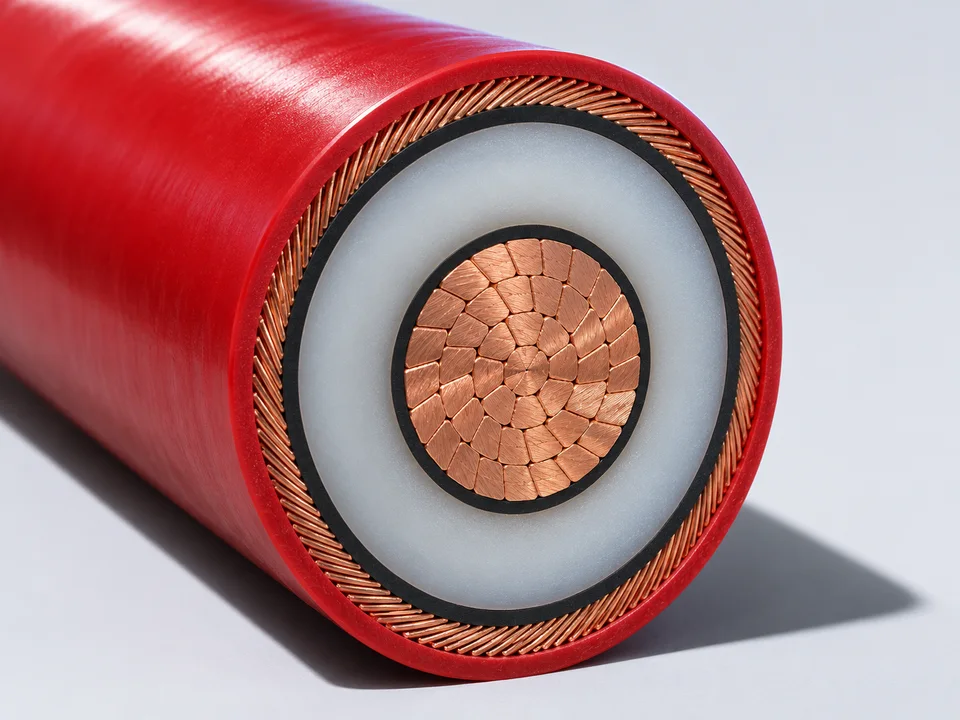
Inside the cable
Seven layers, each with a job.
A cut through our 18/30 kV single-core cable. Every layer is chosen and tested so the cable runs 40 years in the ground.
- 01Compacted copper conductor
Class 2 stranded and compacted for a smooth, round surface and the lowest resistance per mm².
- 02Conductor screen
Extruded semiconductive layer that evens out the electric field at the strand surface.
- 03XLPE insulation
Super-clean cross-linked polyethylene, 8 mm at 18/30 kV, rated 90 °C continuous and 250 °C short-circuit.
- 04Insulation screen
Semiconductive layer extruded in the same pass as the insulation — no voids, no contamination.
- 05Copper wire screen
Carries capacitive and earth-fault current; cross-section sized to your network's fault level.
- 06Separator & water barrier
Swelling tapes stop water travelling along the cable if the sheath is ever damaged.
- 07Outer sheath
PVC or PE, red or black, resistant to abrasion, UV and soil chemicals; termite-proof on request.
How it is made
Rod in, drums out.
Six steps decide whether a power cable lasts decades in service. All six happen on our site.

01 / 06Wire drawing — copper and aluminium rod to fine wire 
02 / 06Stranding and compacting conductors 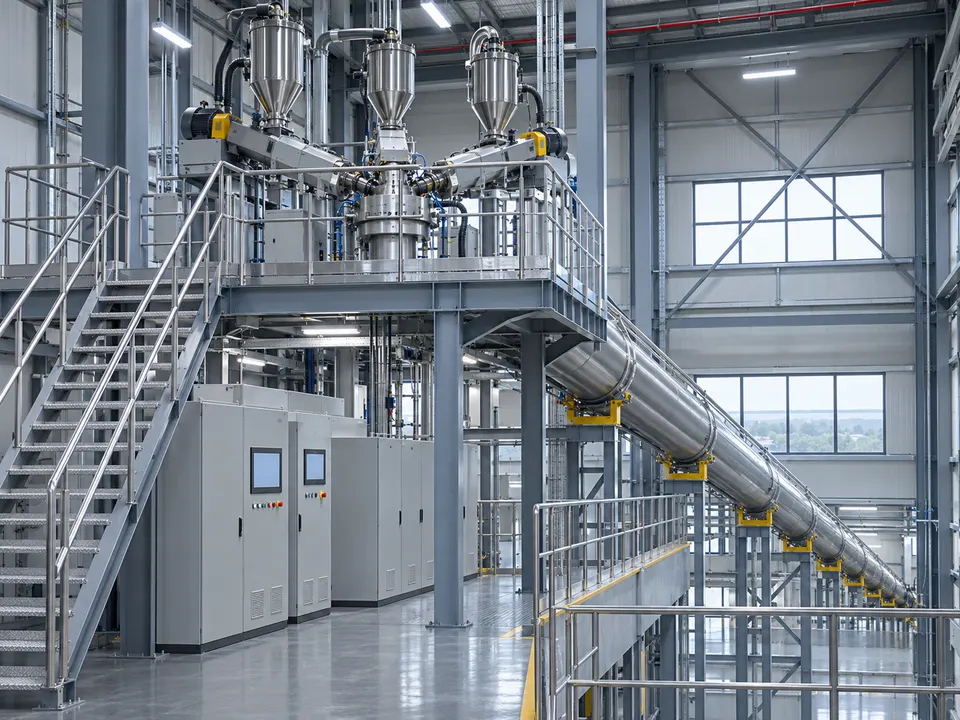
03 / 06Triple extrusion on the catenary CCV line 
04 / 06Steel wire and tape armouring 
05 / 06High-voltage and partial-discharge testing 
06 / 06Drum winding, lagging and dispatch
Applications
Where our cables run
Six kinds of project, each with a proven cable line-up and engineers who know its standards.
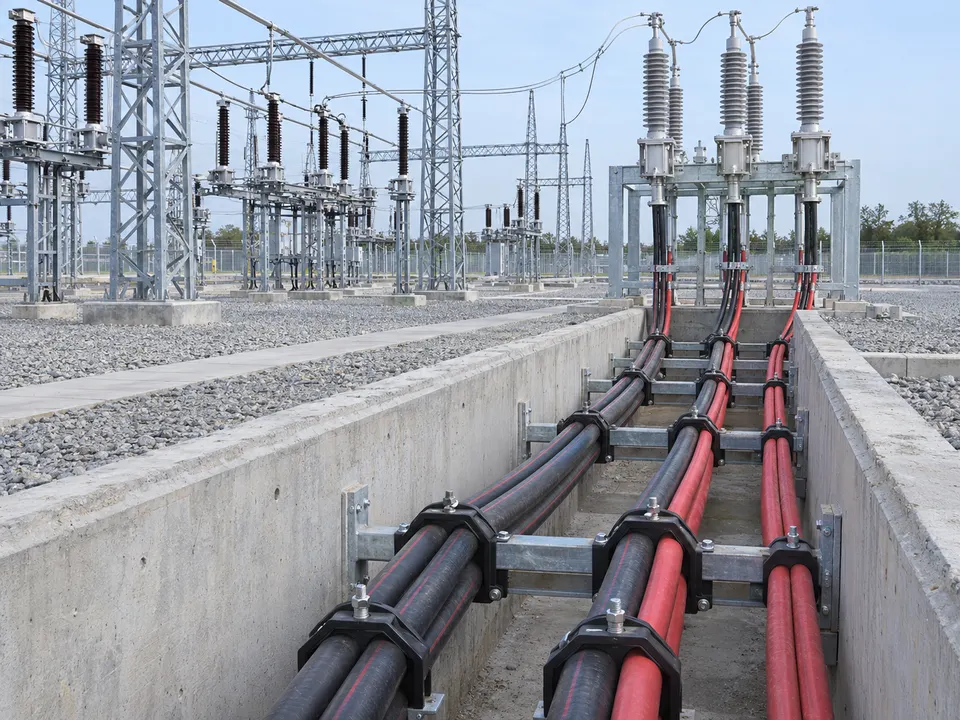 Utilities & substationsMV and HV XLPE cables for distribution networks and substations.
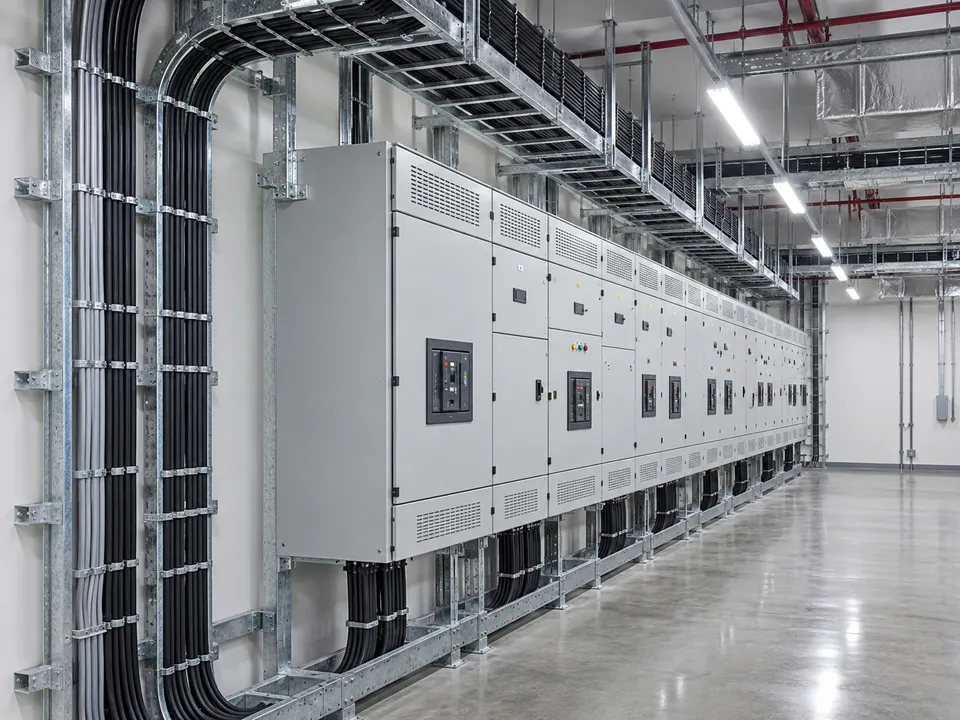 Commercial buildingsLV, LSZH and fire-resistant cables for offices, malls and hospitals.
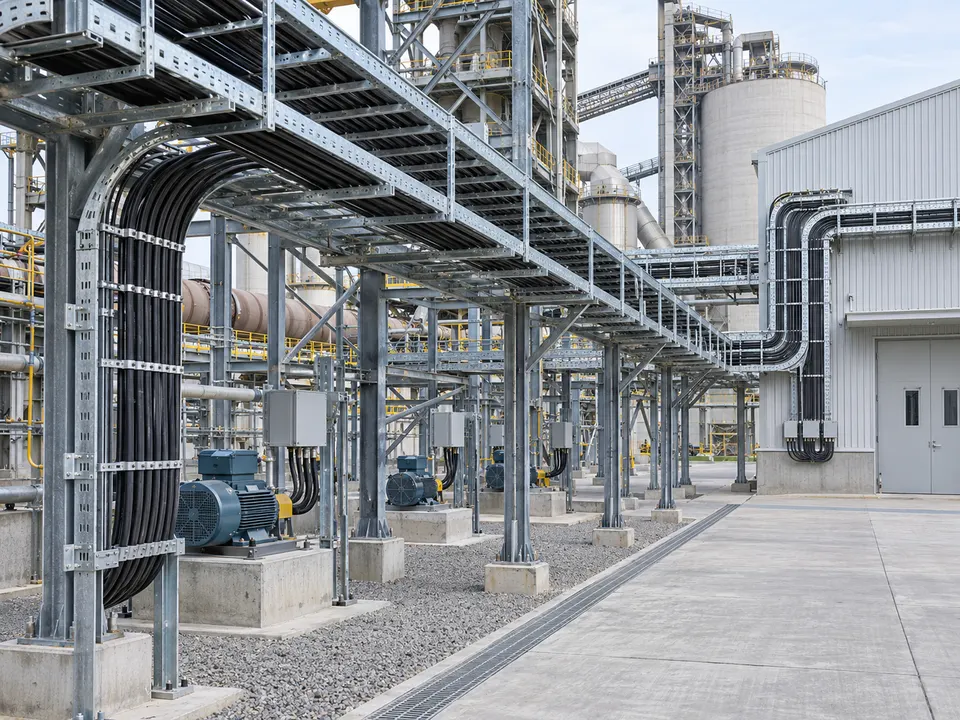 Industrial plantsArmoured power, control and instrumentation cables for heavy industry.
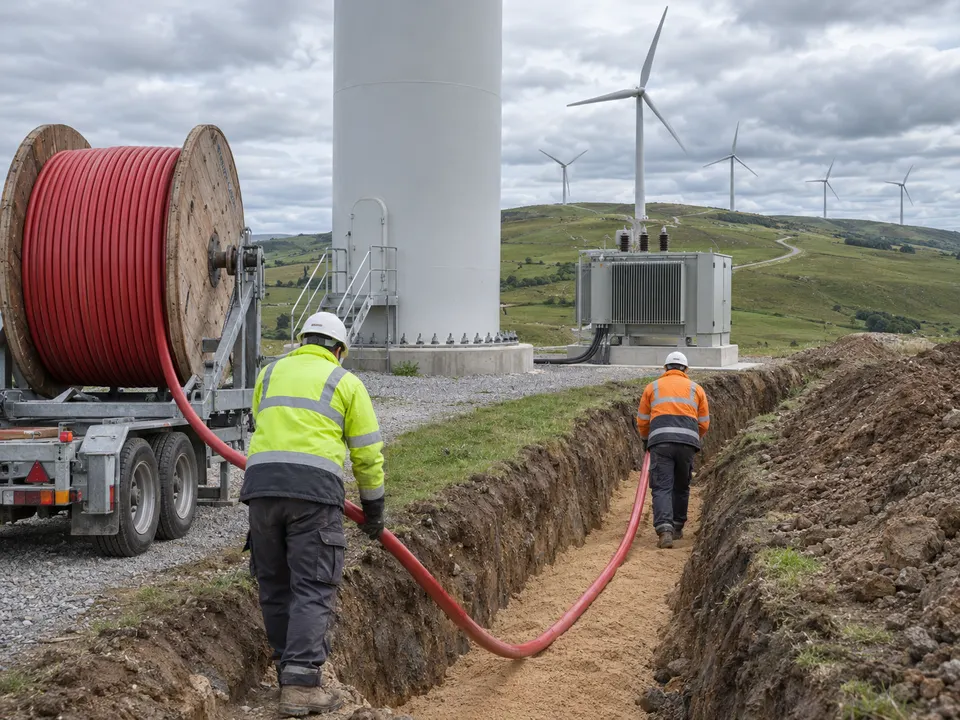 Wind & solar farmsMV collector cables, LV and earthing cables for renewable plants.
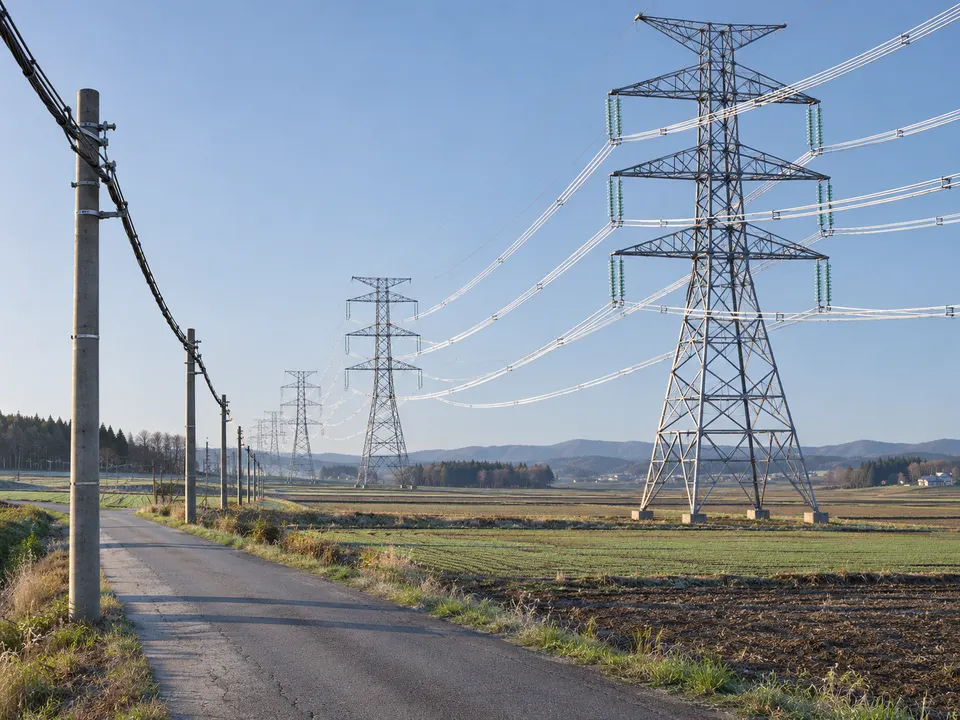 Overhead lines & rural powerACSR, AAAC and aerial bundled cable for transmission and distribution.
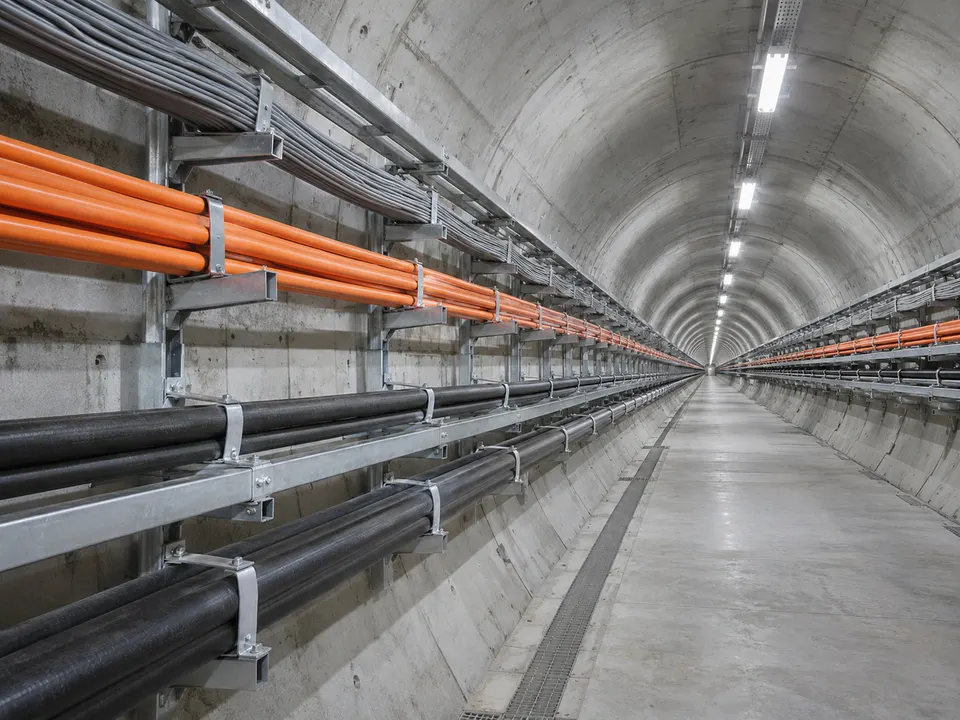 Tunnels, metro & data centresFire-resistant and halogen-free cables for critical infrastructure.
Testing
Every drum leaves with a test report.
Routine tests on every production length, sample tests on every batch and type tests to the product standard.
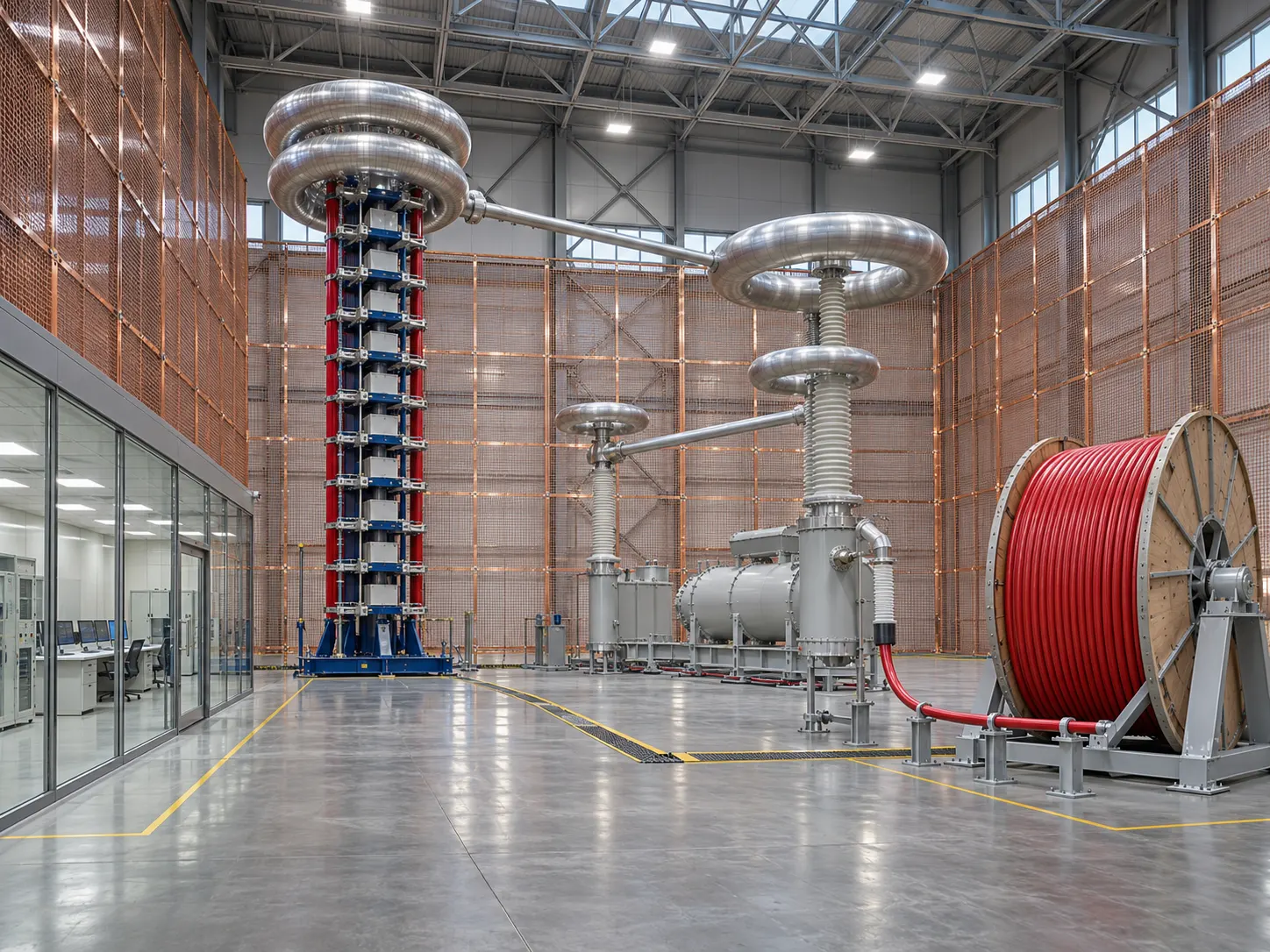 High-voltage test hall
Routine tests on every length
- 01Conductor DC resistance at 20 °C
- 02AC voltage test (3.5 U₀ for MV, 5 min)
- 03Partial discharge measurement (MV and HV)
- 04Spark test on sheath
- 05Insulation resistance
- 06Dimensions, eccentricity and marking
Sample tests on every batch
- 01Hot-set test of XLPE
- 02Insulation and sheath thickness
- 03Tensile strength and elongation
- 04Flame test IEC 60332-1-2
Test reports and certificate copies are sent with your quotation — ask for the documents your project requires. Third-party inspection is welcome.
Standards we build to
- IEC 60502-1
- IEC 60502-2
- IEC 60840
- IEC 60228
- IEC 61089
- IEC 60331
- IEC 60332-3
- IEC 60754
- IEC 61034
- BS 5467
- BS 6724
- BS 7846
- BS 5308
- BS 6387
- EN 50525
- EN 50182
- NF C 33-209
- UL 83
- GB/T 12706
Models
Most requested cables
Standard reference data on every product page. Non-standard designs on request.
Made in our plant
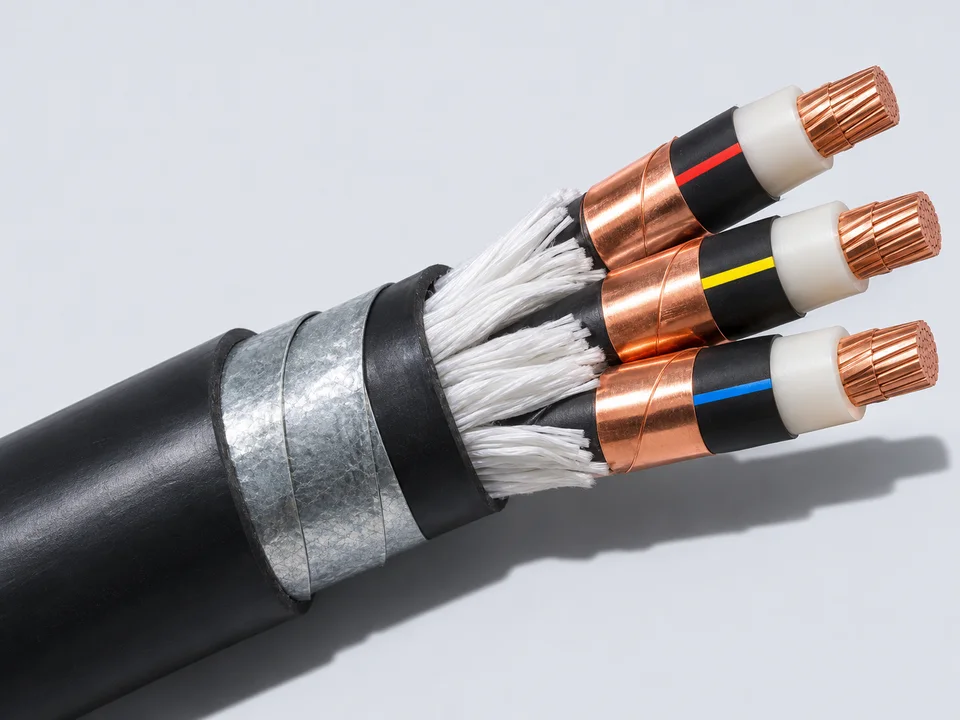
MV & HV power cablesSingle-Core MV XLPE Cable 6/10 – 26/35 kV (Cu / Al)
N2XSY 1×240/25 18/30 kV
- Cross-section
- 35 – 630 mm²
- Rated voltage
- 3.6/6 – 26/35 kV
- Standard
- IEC 60502-2
 Made in our plant
MV & HV power cablesThree-Core MV XLPE Armoured Cable 8.7/15 kV
N2XSEYBY 3×95 8.7/15 kV
- Cross-section
- 3 × 35 – 3 × 300 mm²
- Rated voltage
- 3.6/6 – 18/30 kV
- Standard
- IEC 60502-2
 Made in our plant
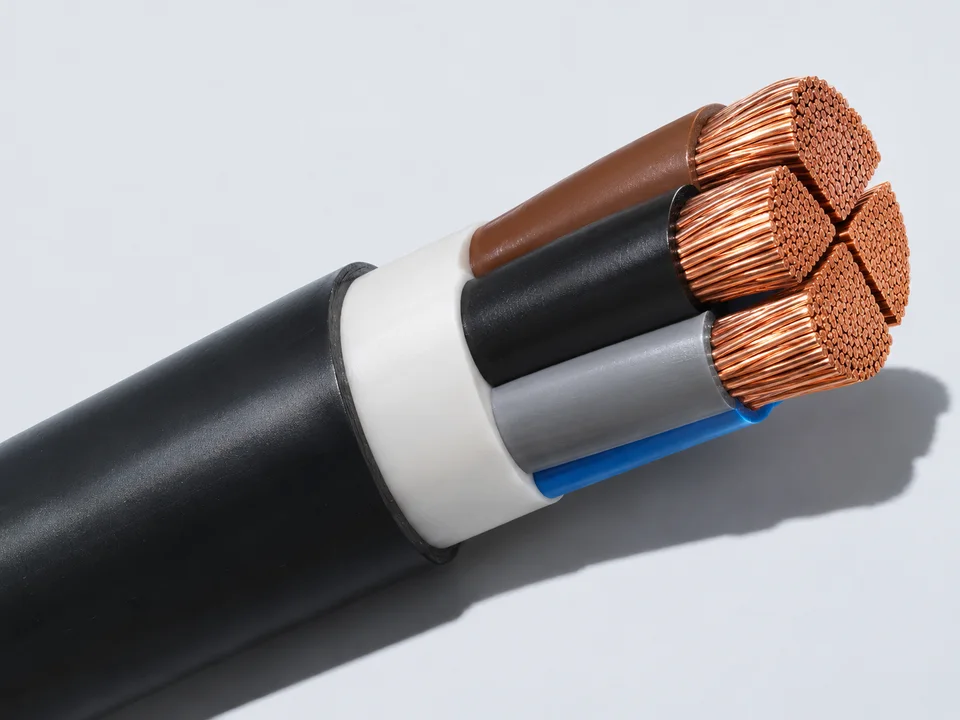
LV power cables0.6/1 kV XLPE Copper Power Cable (CU/XLPE/PVC)
CU/XLPE/PVC 4×95
- Cross-section
- 1.5 – 630 mm²
- Rated voltage
- 0.6/1 kV
- Standard
- IEC 60502-1
Made in our plant
LV power cablesSWA Armoured Cable BS 5467, 600/1000 V
BS 5467 4C×35 SWA
- Cross-section
- 1.5 – 400 mm²
- Rated voltage
- 0.6/1 kV
- Standard
- BS 5467
Made in our plant
Overhead conductorsACSR Conductor — Aluminium Conductor Steel Reinforced
ACSR Wolf
- Cross-section
- 16 – 1,000 mm²
- Rated voltage
- LV – 500 kV lines
- Standard
- IEC 61089
Control & instrumentationScreened Multicore Control Cable
KVVP 12×1.5
- Cross-section
- 2 – 61 × 0.75 – 6 mm²
- Rated voltage
- 0.6/1 kV
- Standard
- IEC 60502-1
Made in our plant
Building wires & flexible cablesBuilding Wire H07V-U / H07V-R / H07V-K
H07V-U 1.5 – 10
- Cross-section
- 1.5 – 400 mm²
- Rated voltage
- 450/750 V
- Standard
- EN 50525-2-31
Fire-resistant & LSZH cablesFire-Resistant Cable 0.6/1 kV (IEC 60331, BS 6387 CWZ)
NHXH FE180 E90
- Cross-section
- 1.5 – 400 mm²
- Rated voltage
- 0.6/1 kV
- Standard
- IEC 60331
From inquiry to delivery
A clear path, with an engineer — not a script — at every step.
- 01Inquiry
Send cable types, sizes and lengths. Reply within one working day.
- 02Engineering
Rating and voltage-drop check, cable schedule, drum plan.
- 03Production
Drawing, stranding, extrusion, armouring — with progress photos.
- 04Testing
Routine tests on every length; witness and third-party inspection welcome.
- 05Delivery
Steel or wooden drums, lagged and marked; documents per project.
FAQ
Questions buyers ask
Short answers from our engineers. Ask anything else in the inquiry form.
What voltage range do you manufacture?
From 300/500 V instrumentation cable and 450/750 V building wire through 0.6/1 kV LV cables and 3.6/6 to 26/35 kV medium-voltage XLPE cables up to 64/110 and 76/132 kV high-voltage cables, plus bare overhead conductors for lines up to 500 kV.
Copper or aluminium conductor — which should I choose?
Copper is smaller and easier to terminate; aluminium needs about 1.6 times the cross-section but costs and weighs much less. For feeders of 95 mm² and above, aluminium often lowers the total cost. Our calculator shows both.
Which standards can you produce to?
IEC (60502-1/-2, 60840, 60228, 61089, 60331), BS (5467, 6724, 7846, 5308, 215), EN (50525, 50182, 50288), NF C 33-209, UL 83 and Chinese GB/T standards. Tell us the standard on your tender; we build to it.
What is the minimum order and lead time?
Standard LV cables and building wire start from one drum or one pallet of coils. MV cables are usually made from about 1 km per size. Typical lead time is 2–4 weeks for LV and 4–6 weeks for MV; we confirm a firm date with every quotation.
Which documents come with the cables?
Routine test reports per drum, a packing list with drum numbers and lengths, the declaration of conformity to the specified standard and type-test certificate copies. Third-party inspection (SGS, BV, Intertek) before shipment is welcome.
How are cables packed for export?
On wooden or steel drums sized to the cable, with sealed ends, wooden lagging or protective film and shipping marks per your instructions; small sizes in coils on pallets. Drum lengths are planned to your route sections to reduce joints.
News
Cable market & engineering notes
Copper prices, standards, grid projects and buying guides — updated daily.
 Armoured cable: what changed this week (Nov 20, 2026)4 recent developments on armoured cable, with links to the original reports and what they mean for cable buyers and specifiers.
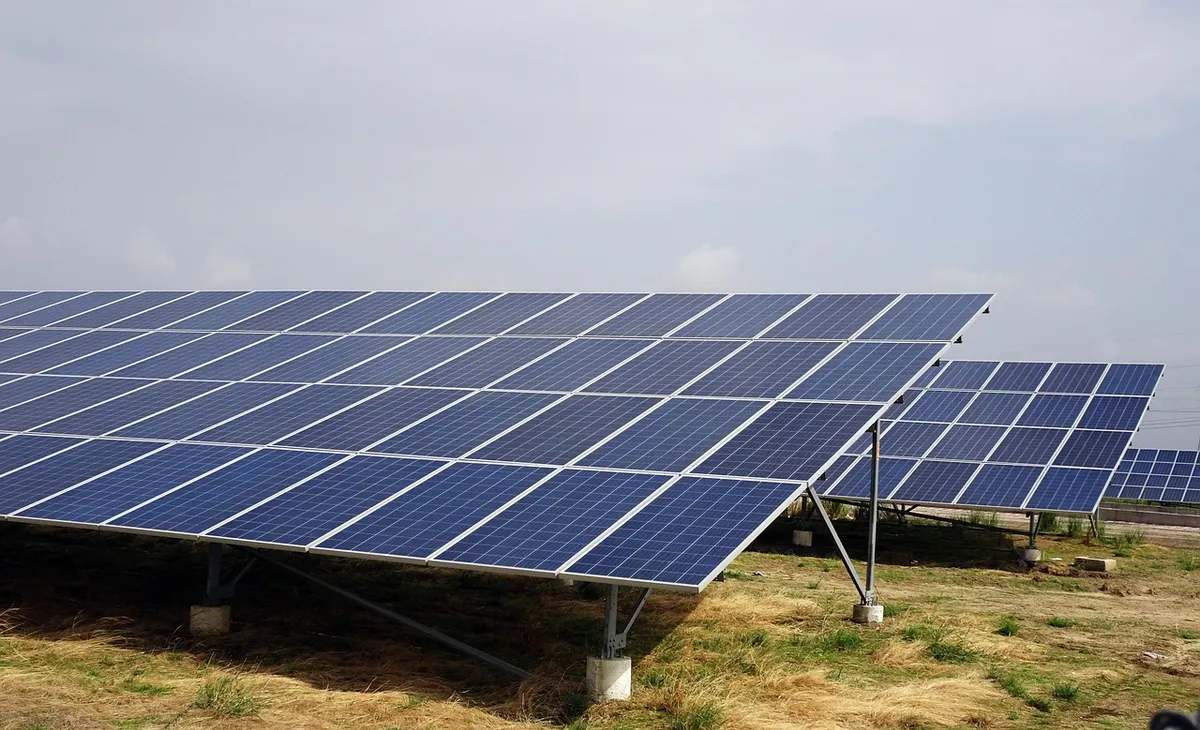 Control cable: what changed this week (Nov 19, 2026)6 recent developments on control cable, with links to the original reports and what they mean for cable buyers and specifiers.
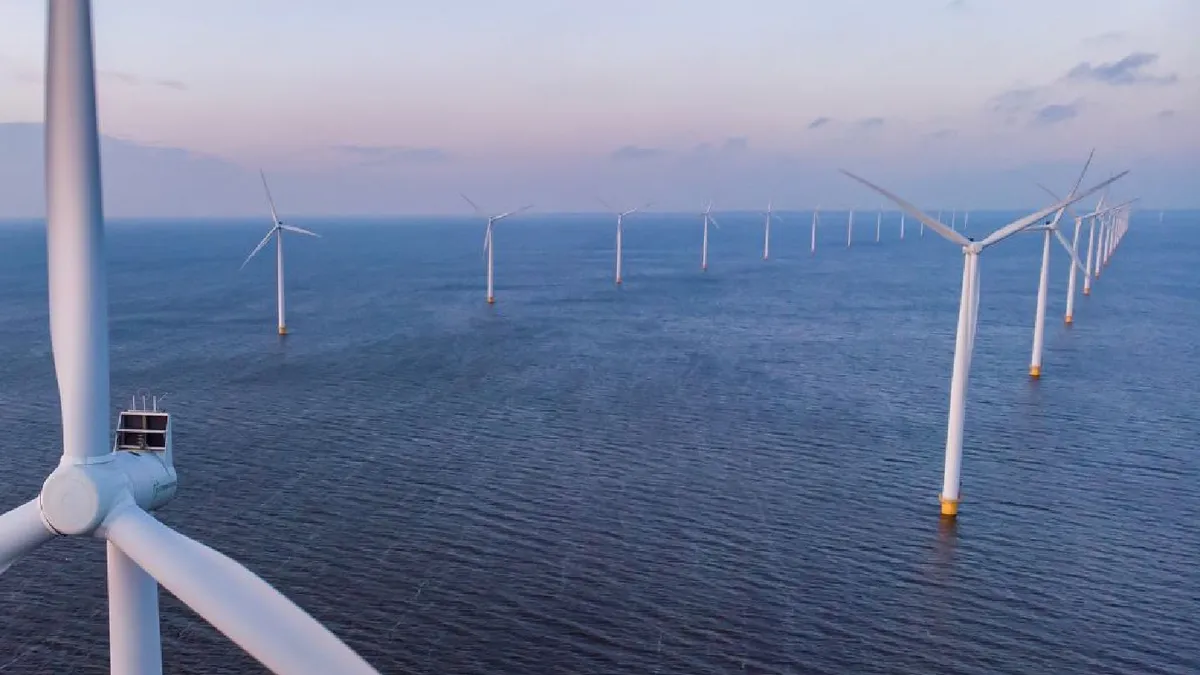 XLPE cable: what changed this week (Nov 19, 2026)6 recent developments on XLPE cable, with links to the original reports and what they mean for cable buyers and specifiers.
Send us your cable schedule.
Types, sizes, lengths and destination are enough. An engineer replies with a checked selection, drum plan and quotation within one working day.
